Sydney · Melbourne · Regional NSW & VICMon–Fri, 7:30am–5pm
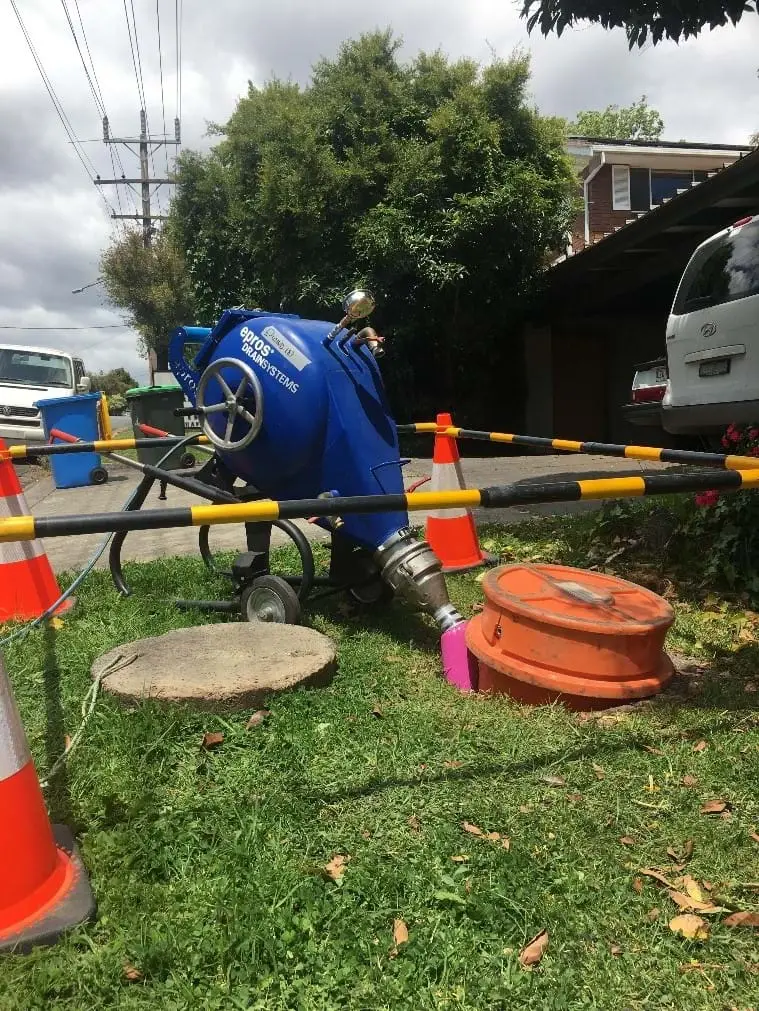
An inversion drum feeding a liner into an access chamber

Network services · CIPP relining for councils and utilities

Trenchless relining, roads left intact.

Cracked lines, offset joints and root intrusion under busy streets. We reline the pipe in place, so there are no trenches to fill and no surfaces to restore.

  • 15+ years of CIPP lining
  • Over 5000 pipes relined a year
  • Licensed, ISO accredited crews

4.8 from 575+ reviews on ProductReview.com.au

How our crews run a job

These reviews are from homeowners, but they show what you get on any site: clear findings, careful work and a plain account of what comes next.

ProductReview

“He immediately identified the problem and fixed it promptly and professionally. He clearly explained the problem and what needed to be done.”

Jill, VICDrain job
ProductReview

“…he fixed the current problem but also explained some long term issues that would need to be addressed in the future.”

Naomi Y., VICDrain clearing
ProductReview

“Took time to explain what the process was and at the completion, the findings.”

TonyDrain job

The renewal problems on your desk

Renewing an underground pipe is rarely just about the pipe. Here is how relining handles the rest.

  • Replacing a line means trenches, a large crew and days of work.

    We reline it in place. No trenches to dig or fill, and no road, path or landscaping to rebuild.

  • The pipe runs under a busy road, footpath or freeway.

    Most liners go in through an existing access chamber, with very little disruption to traffic and people walking by.

  • You need proof the renewal meets spec before sign off.

    We test a sample of the cured liner to prove it meets its performance specs.

  • Cracks, offset joints and weak sections along the line.

    A CIPP liner is a structural fix: a close fitting pipe within the old pipe.

  • Side connections and branch lines have to stay in service.

    Once the pipe is back in use, our robotic equipment reopens the side connections and branch lines.

  • Awkward assets: bends, traps, junctions, square or upright pipes.

    We reline almost any shape, including 90 degree bends, P and S traps, junctions and elbows.

Fix your pipes without digging or damage. We have over 15 years of experience in cured in place pipe (CIPP) lining, and we reline over 5000 pipes a year.

Relining versus digging

Replacing a pipe the old way means digging trenches and bringing in a large crew. It can take days to lift the old pipe, lay a new one and fill the trench. Then the road, path or landscaping on top has to be rebuilt.

Relining is much faster, and the cost is far lower. There are no trenches to fill and no surfaces to restore. Compare the pros and cons of relining and replacement.

We reline pipes for water authorities, councils, ports, rail and road managers. Homeowners can read about our residential drain relining.

No dig. No damage. No danger.

  • No digging needed.
  • Very little disruption above ground to traffic and people walking by.
  • Much lower costs.
  • Better for the environment.
  • No disruption when we reline pipes under roads and freeways.
  • Strong, yet flexible enough to handle natural ground movement in the future.
  • The liner resists high heat and a wide range of harsh chemicals.
  • Your pipe lasts far longer.
  • Better flow.
  • A small carbon footprint.
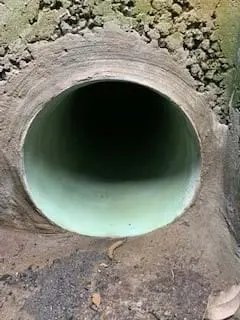
The smooth end of a relined pipe after curing

Survey to sign off on a CIPP reline

Every reline follows the same sequence, so you can plan and program around it.

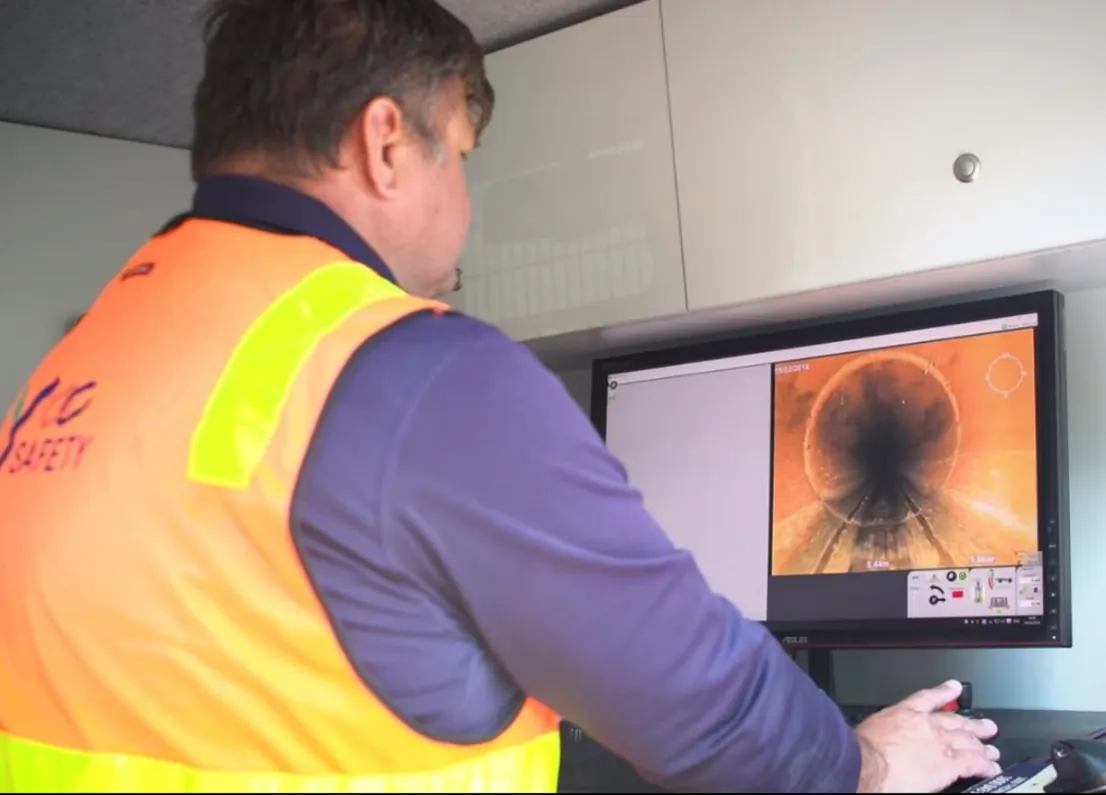
  1. An operator reviewing CCTV pipe survey footage on a screen

    Step 1: Survey footage sets the scope

    We start with a CCTV survey to map every fault along the line. The footage shows whether the pipe suits relining, or whether it has collapsed, lost large sections or filled with concrete. You know the answer before any work is planned.

    Is relining right for your pipe?

    Most cracked, leaking and root damaged pipes can be relined. A few can’t, because the old pipe is too weak to work with. Relining is hard or not possible when a pipe:

    • Has fully collapsed.
    • Has large sections missing.
    • Has root damage so severe that the roots can’t all be removed.
    • Is fully blocked with a large amount of concrete.

    The survey footage tells us which group your pipe falls into, so you know the answer before any work is planned.

    What CIPP can fix

    CIPP gives a structural fix for pipes with cracks, offset joints and weak sections. We can reline almost any shape of pipe:

    • Upright or flat pipes
    • Square, rectangular or round pipes
    • 90 degree bends
    • P traps and S traps
    • Junctions and elbows

    Only one spot needs fixing? A localised point repair may be all you need.

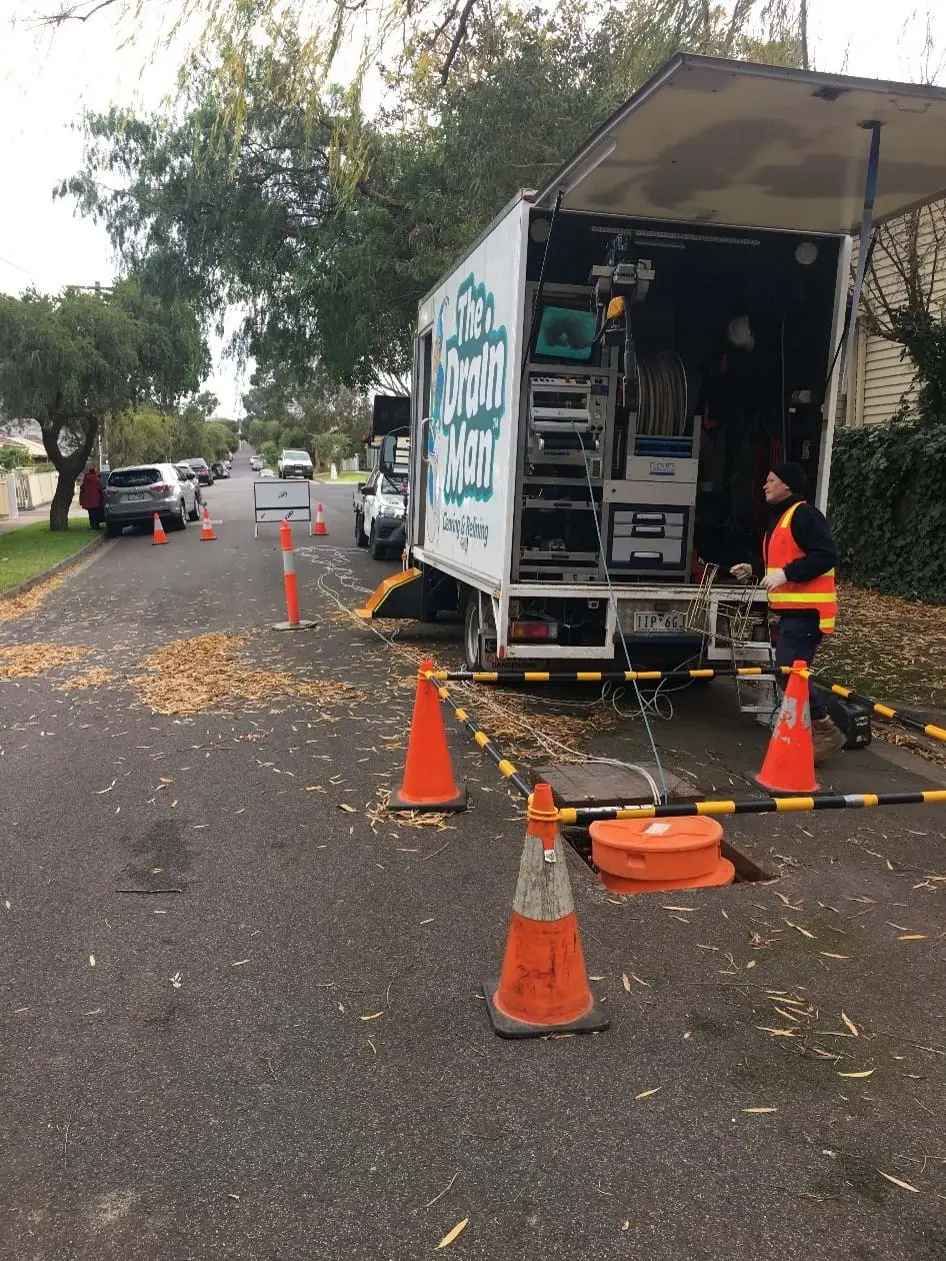
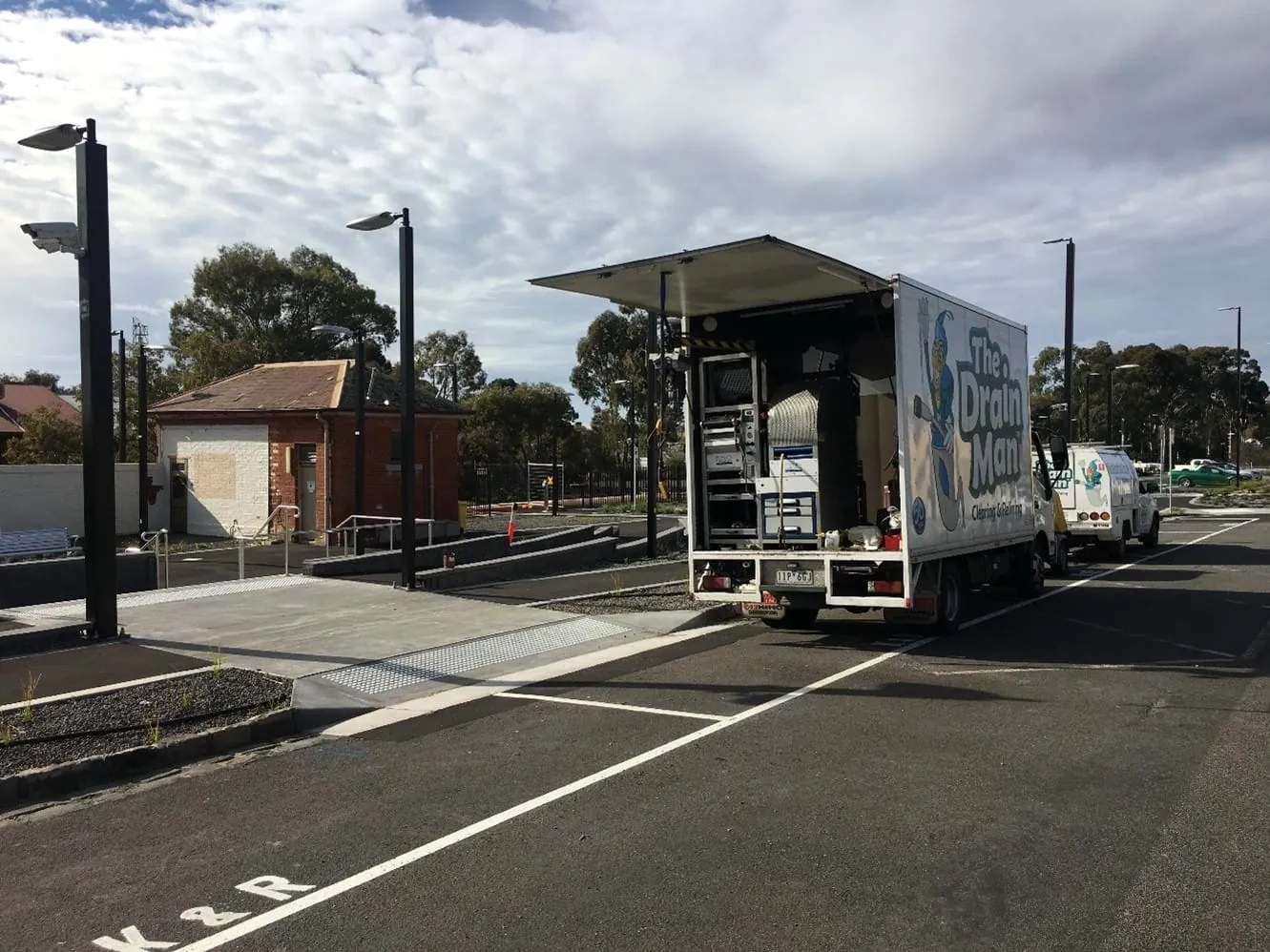
  2. A Drain Man robotic cutting truck set up at a street job

    Step 2: Jetting and robots prepare the line

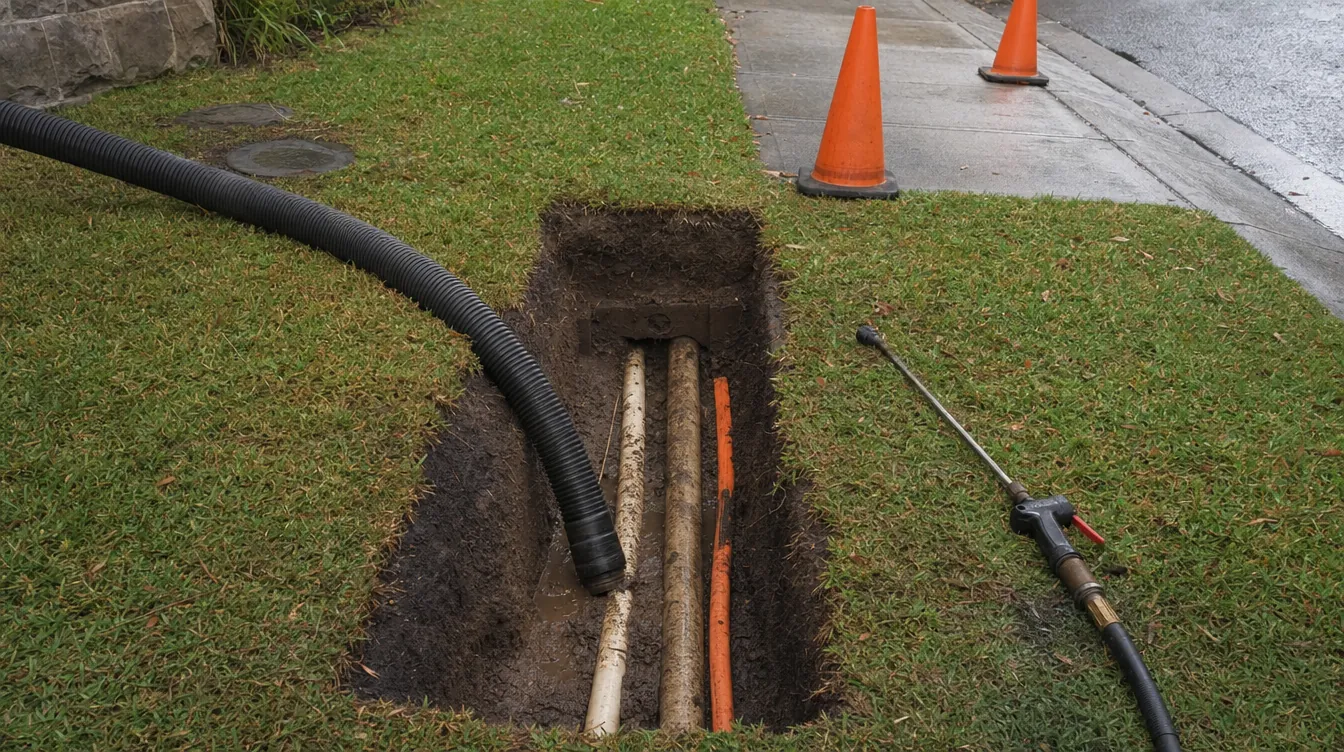
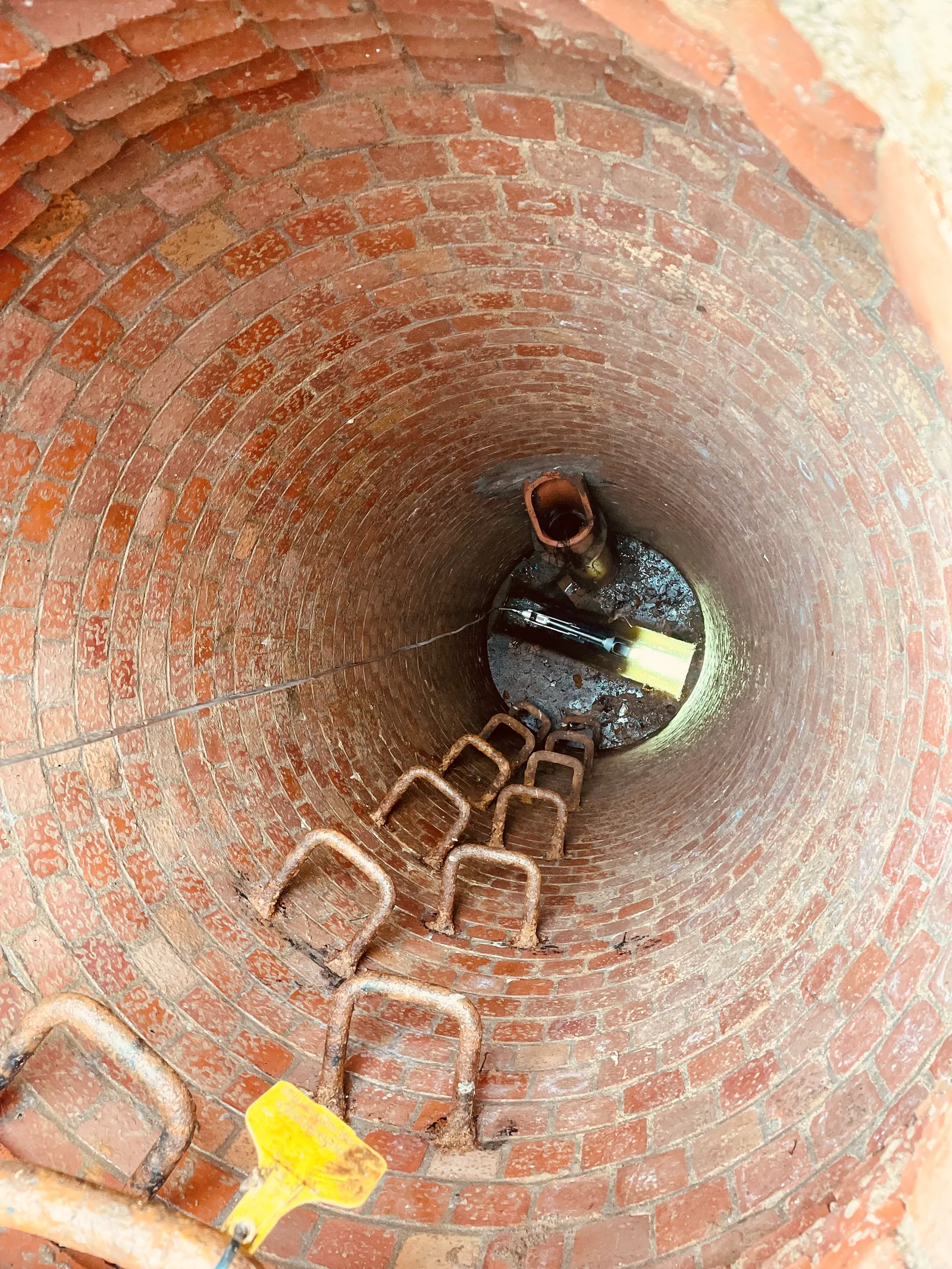
    A liner needs a clean wall to bond to. High pressure jetting strips out silt and build up, and our robotic cutters remove roots or concrete blocking the line. Where there’s no access chamber, our NDD crews dig a small, neat hole to reach the pipe.

    Getting the pipe ready

    A liner needs a clean wall to bond to. So the work starts with a CCTV survey to map the faults. Then high pressure jetting strips out silt and build up. Where roots or concrete block the line, our robotic cutters remove them first.

    Getting the liner in

    Most liners go in through an existing access chamber. If there’s no way in, our NDD crews dig a small, neat hole with water and suction to reach the pipe. The ground around it is barely touched.

    Relining suits a short section or a whole line, including pipes that are hard to reach any other way.

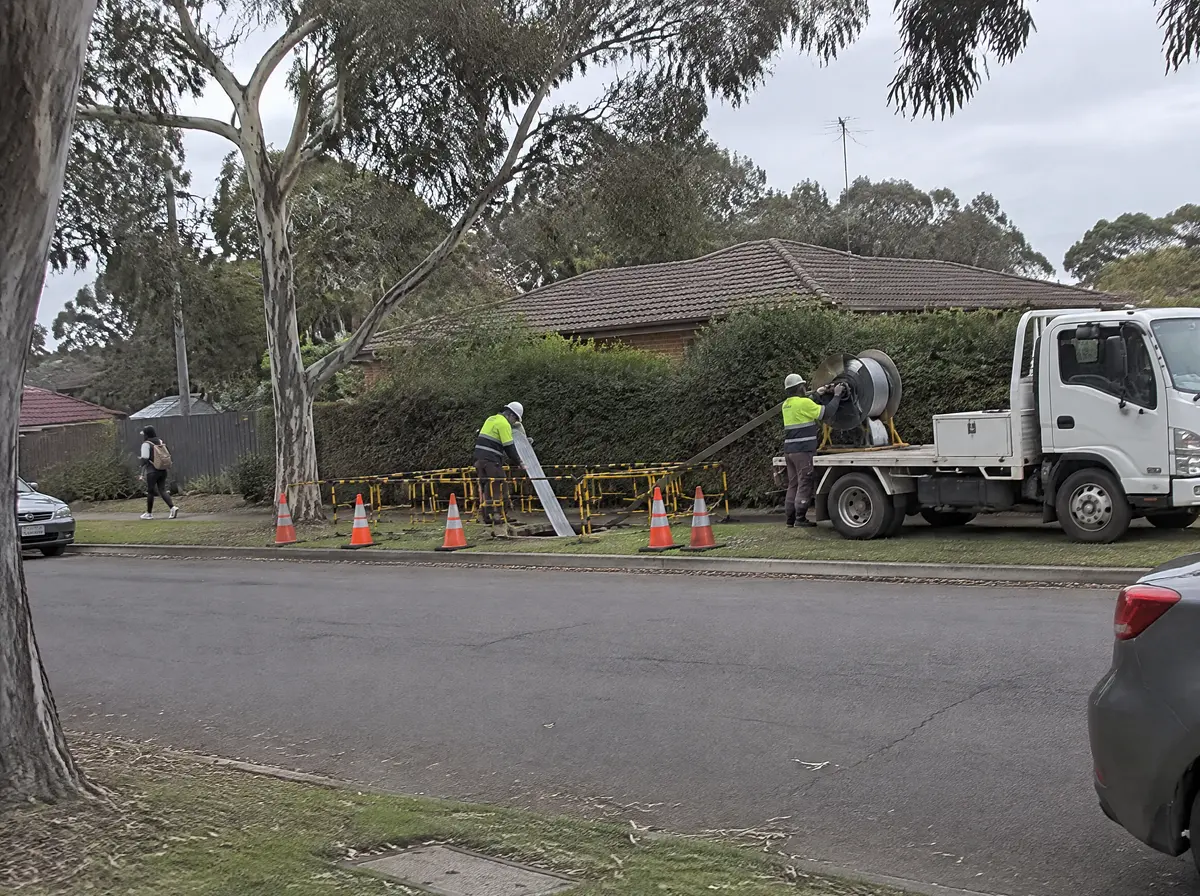
  3. Illustrative: seen from across the street, a relining crew works at an open access chamber behind cones and barriers

    Step 3: The liner goes in and cures

    We winch the resin soaked felt liner in flat, or invert it through the pipe with air from an inversion drum. Then we keep it under pressure while it cures with air temperature, hot water, steam or UV light. The result is a close fitting pipe within a pipe.

    Install the liner

    We winch or invert the resin soaked liner into the old pipe.

    Inflate and cure

    We inflate the liner and keep it under pressure. Then the resin cures, or hardens, and the liner stays in place inside the old pipe. We cure with air temperature, hot water, steam or UV light.

    A new pipe inside the old one

    Pipe relining is also called cured in place pipe lining (CIPP). It lets us fix your pipes without the extra cost of digging them up and replacing them.

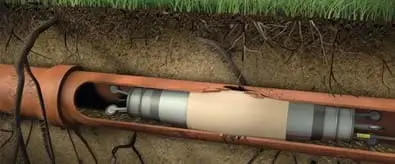
    A CIPP liner is a tube soaked in resin. We put it inside the old pipe to make a close fitting pipe within a pipe. It’s a structural fix for pipes that are wearing out.

    There are two ways to put the liner in. We can winch it in flat through the old pipe. Or we can turn it inside out through the pipe, using air from an inversion drum.

    We make our liners to order from felt. We soak them in special resins to suit each job. These include UV cured GRP lining, polyester resin that cures at air temperature, and heat cured resin.

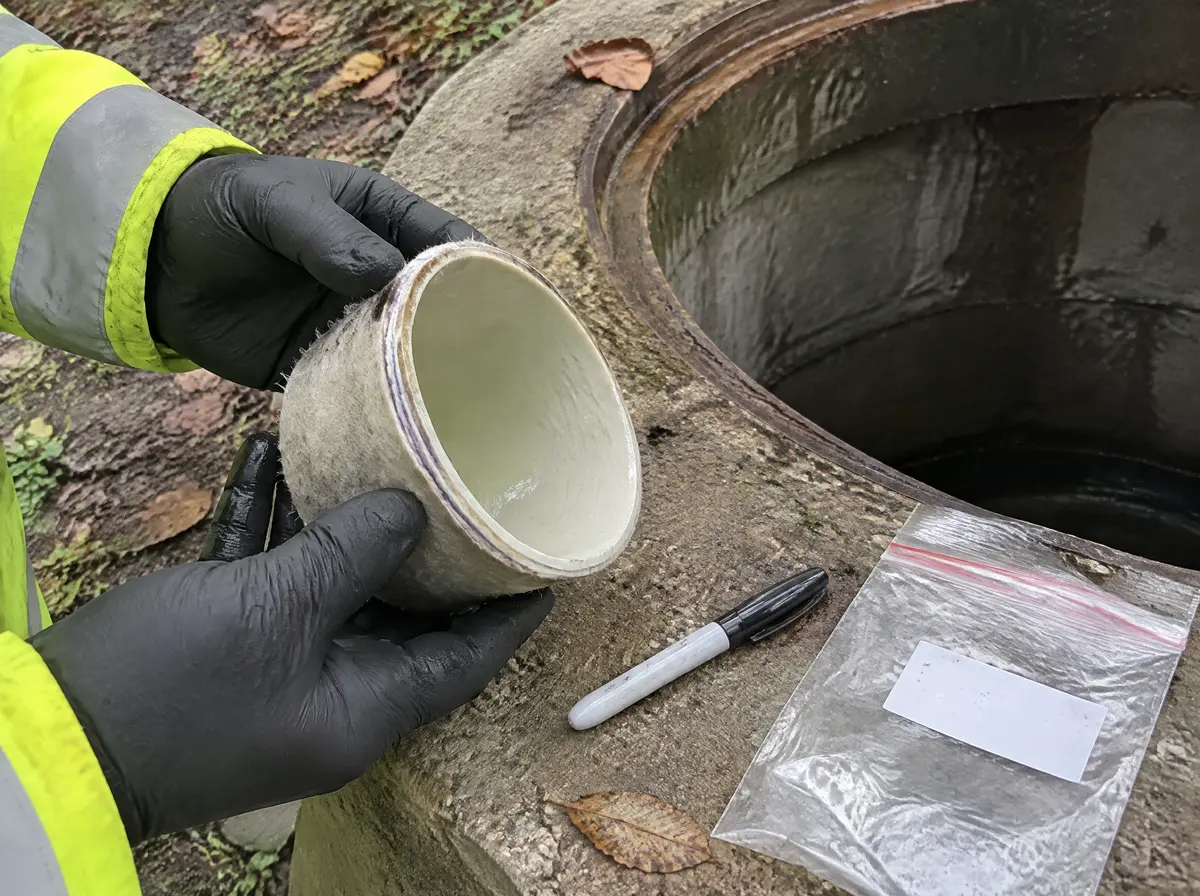
  4. Illustrative: gloved hands hold a cut sample of cured pipe liner beside an open access chamber

    Step 4: Trimmed, tested and reconnected

    Once the liner cools, we cut the ends to fit and seal them. A sample from the pipe ends, or one cured in a mould in the access chamber, is tested against the liner’s performance specs. Then our robotic equipment reopens the side connections and branch lines.

    Trim and seal

    Once cured, the liner cools. We cut the ends to fit the old pipe and seal them.

    Test a sample

    We take a sample from the pipe ends, or cure one in a mould in the access chamber. We test it to prove the liner meets its performance specs.

    Reopen the connections

    Once the pipe is back in use, our robotic equipment reopens the side connections and branch lines.

Built into every CIPP project

  • CCTV surveySo the scope is set by footage, not guesswork.
  • Liners made to orderSo the felt and resin suit that pipe and that job.
  • Sample testingSo you have proof the liner meets its specs.
  • Connections reopenedSo branch lines are back in service.

Worth settling before the liner goes in

Straight answers. Still not sure? Call 1800 84 33 72 and ask a real person.

Can every pipe be relined?

Most cracked, leaking and root damaged pipes can. Relining is hard or not possible when a pipe has fully collapsed, has large sections missing, has roots that can’t all be removed, or is fully blocked with concrete. The survey footage tells you which group your pipe falls into.

How much disruption should residents and traffic expect?

Very little. Most liners go in through an existing access chamber, so there are no trenches across the road or footpath. Where there’s no way in, our NDD crews dig a small, neat hole with water and suction, and the ground around it is barely touched.

Will the liner cope with ground movement and harsh flows?

The cured liner is strong, yet flexible enough to handle natural ground movement in the future. It also resists high heat and a wide range of harsh chemicals.

Do we have to reline the whole line?

No. Relining suits a short section or a whole line. If only one spot needs fixing, a localised point repair may be all you need.

Got a line due for renewal?

Leave your details and our team will call you back during office hours to talk through your pipes and access.

  • Survey first. Footage shows whether the pipe suits relining.
  • Proof of spec. Cured samples tested against performance specs.
  • Low impact above ground. Very little disruption to traffic and people walking by.
Call 1800 84 33 72

4.8 from 575+ reviews on ProductReview.com.au

Book a call back

Mon to Fri, 7:30am to 5pm. We never share your details.

We work across Victoria and New South Wales, from Melbourne and Geelong to Sydney, Newcastle and the Illawarra.